The creepiest room in your house is the one you never visit
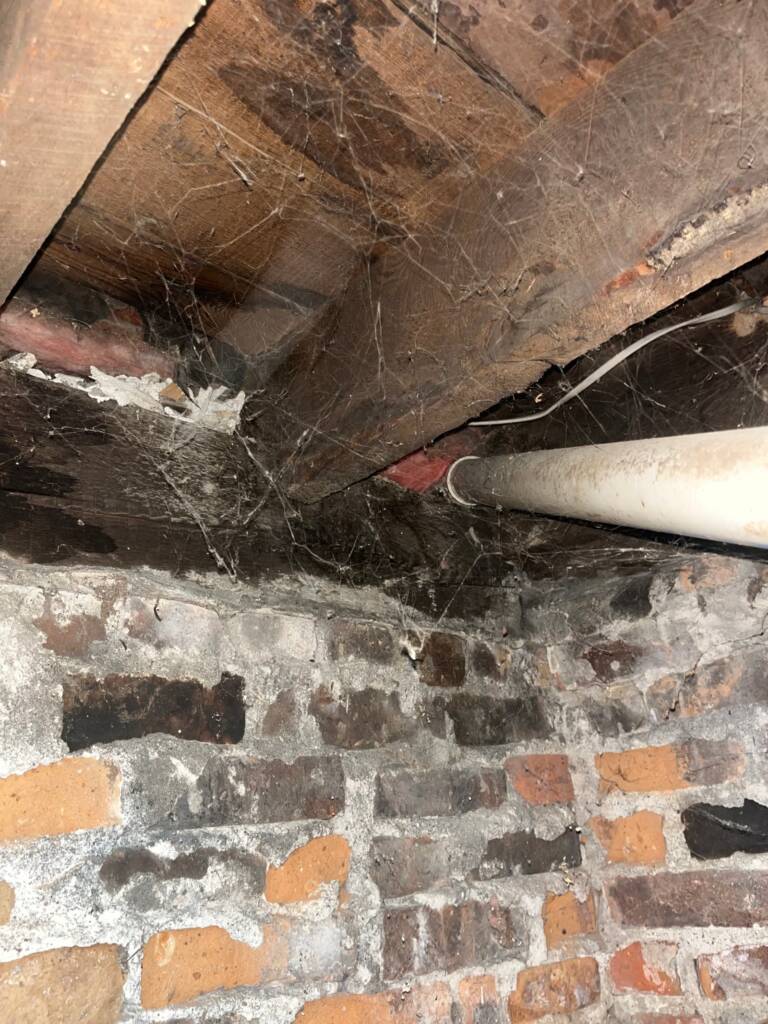
Halloween is a good excuse to talk about the spookiest part of your home. It isn't the attic. It's the crawl space.
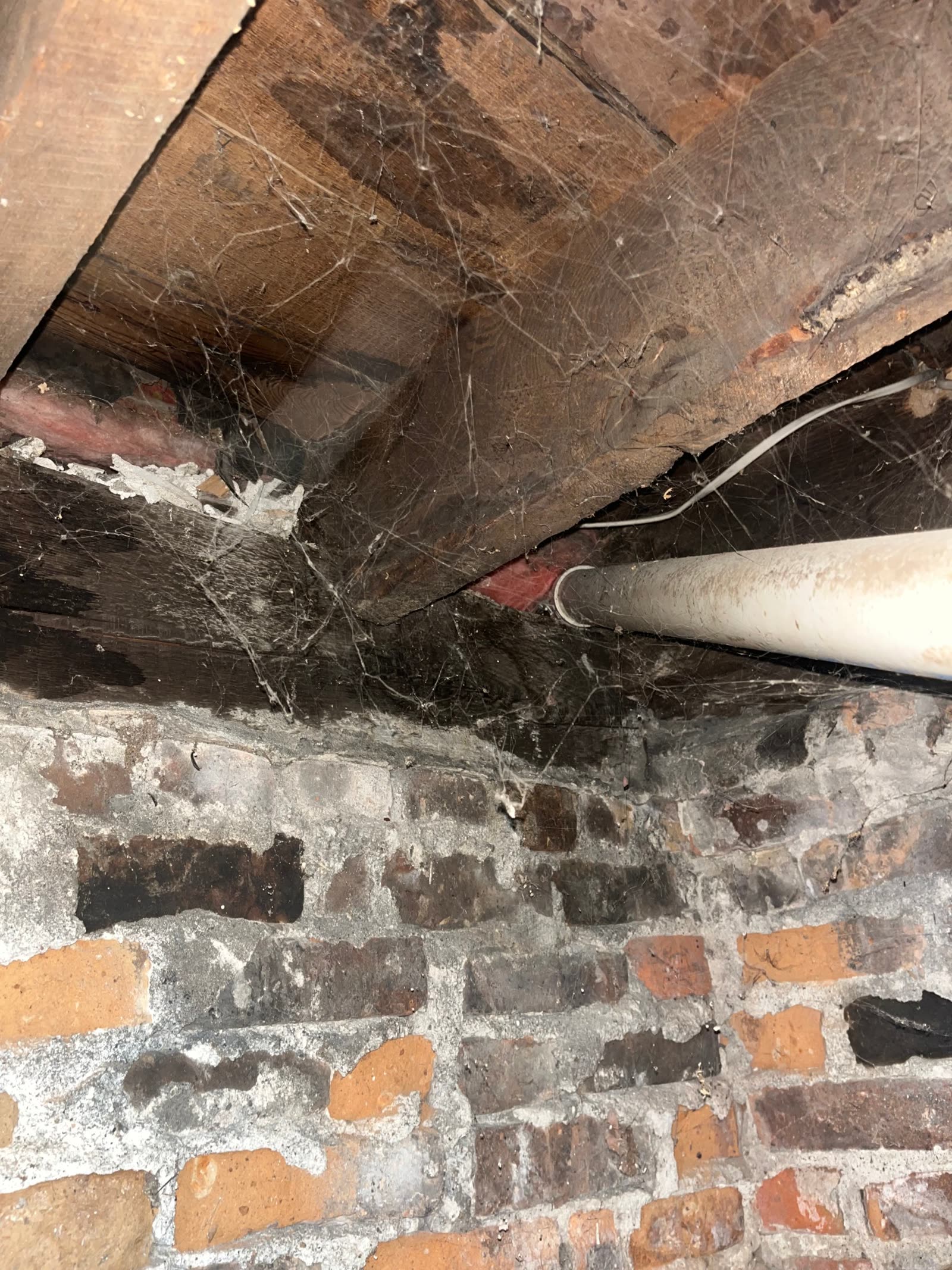
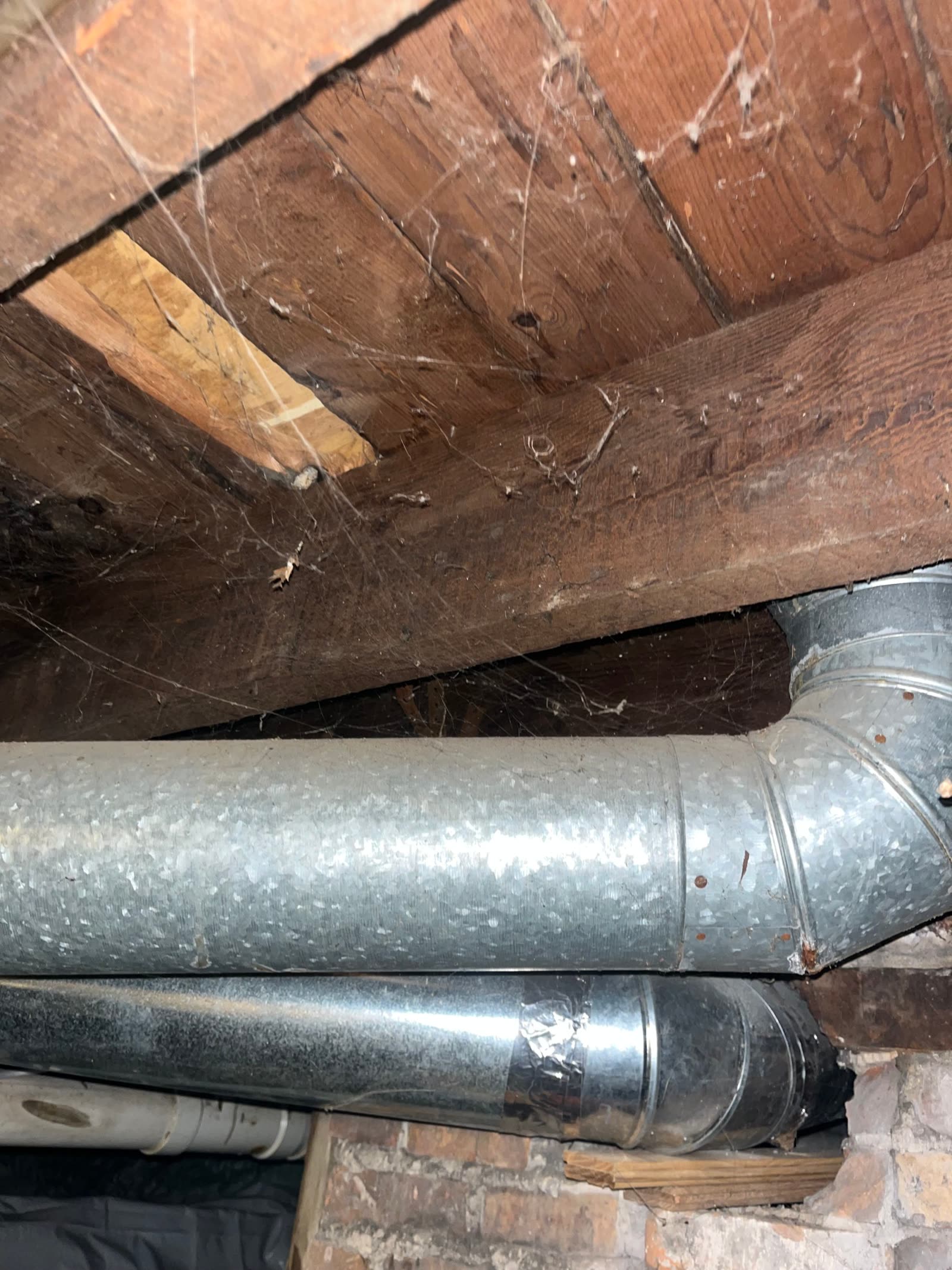
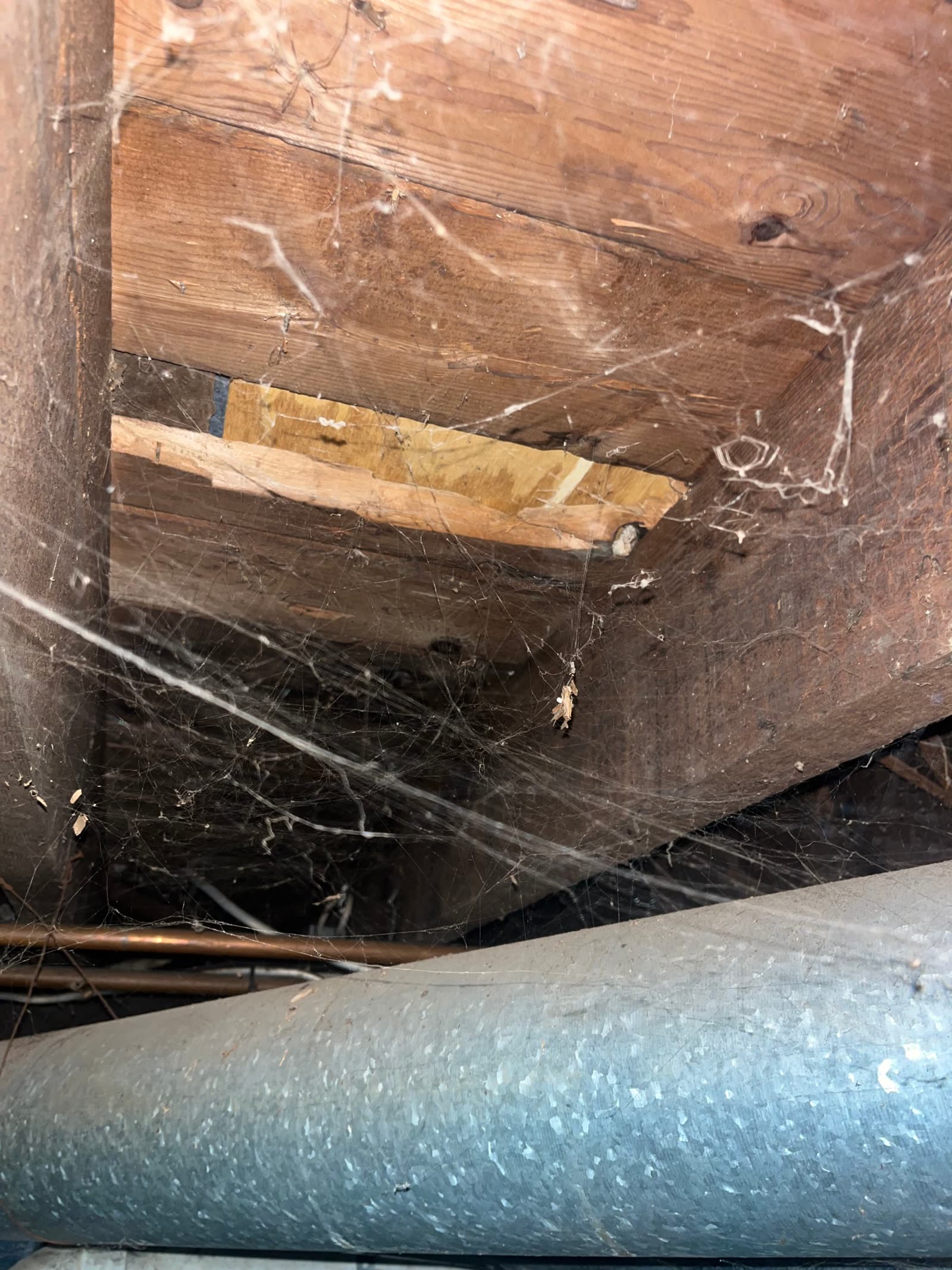
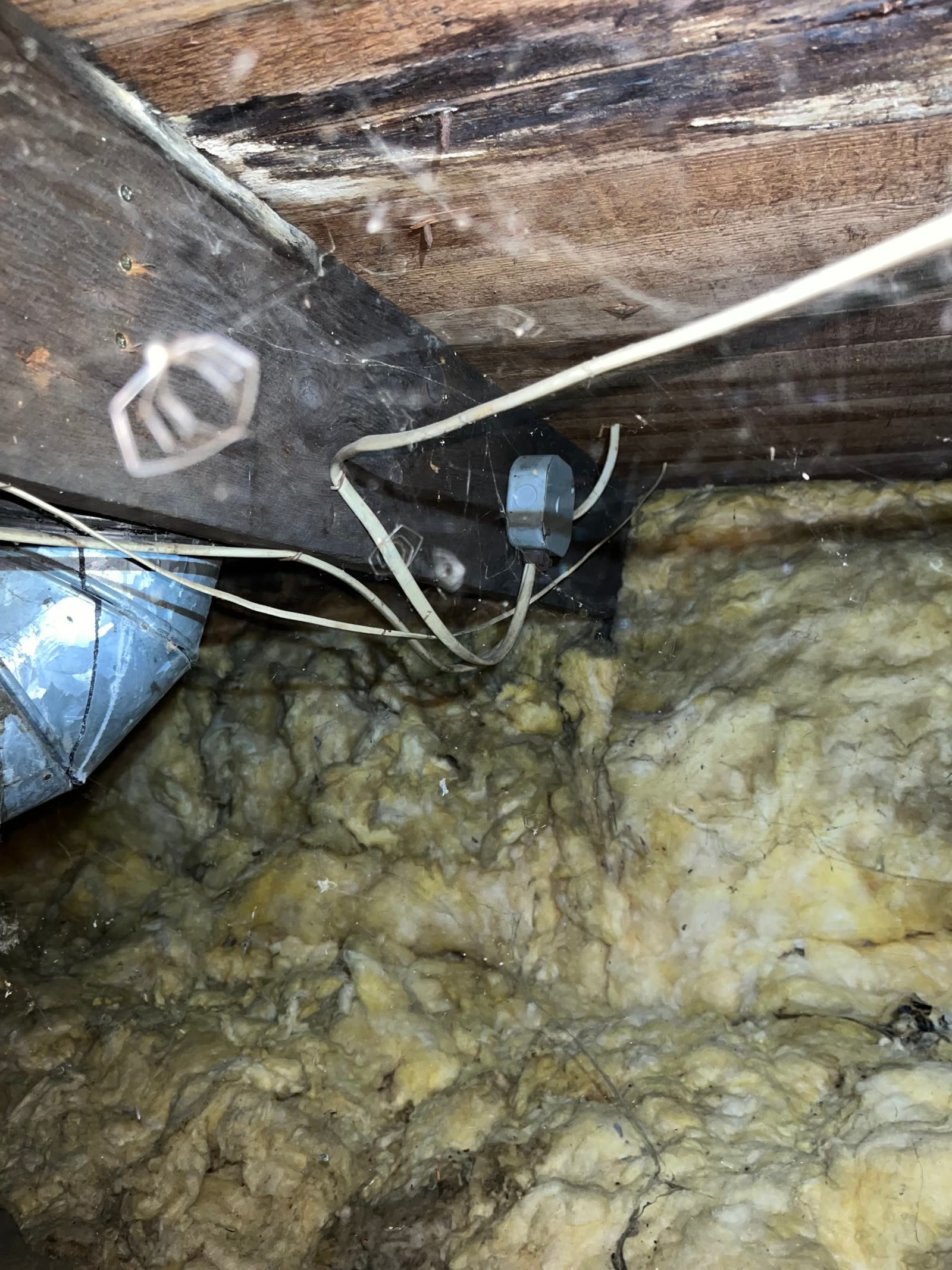
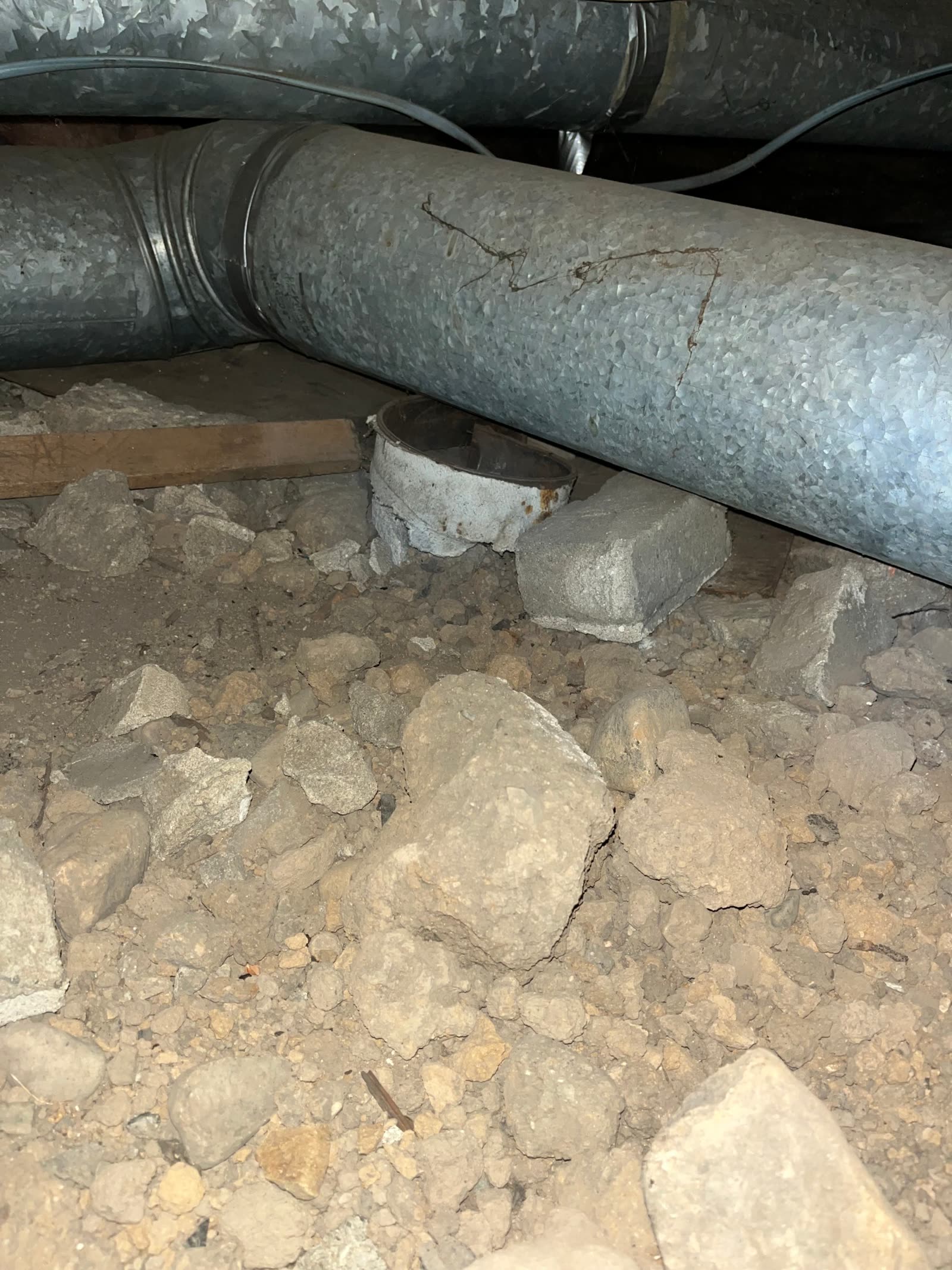
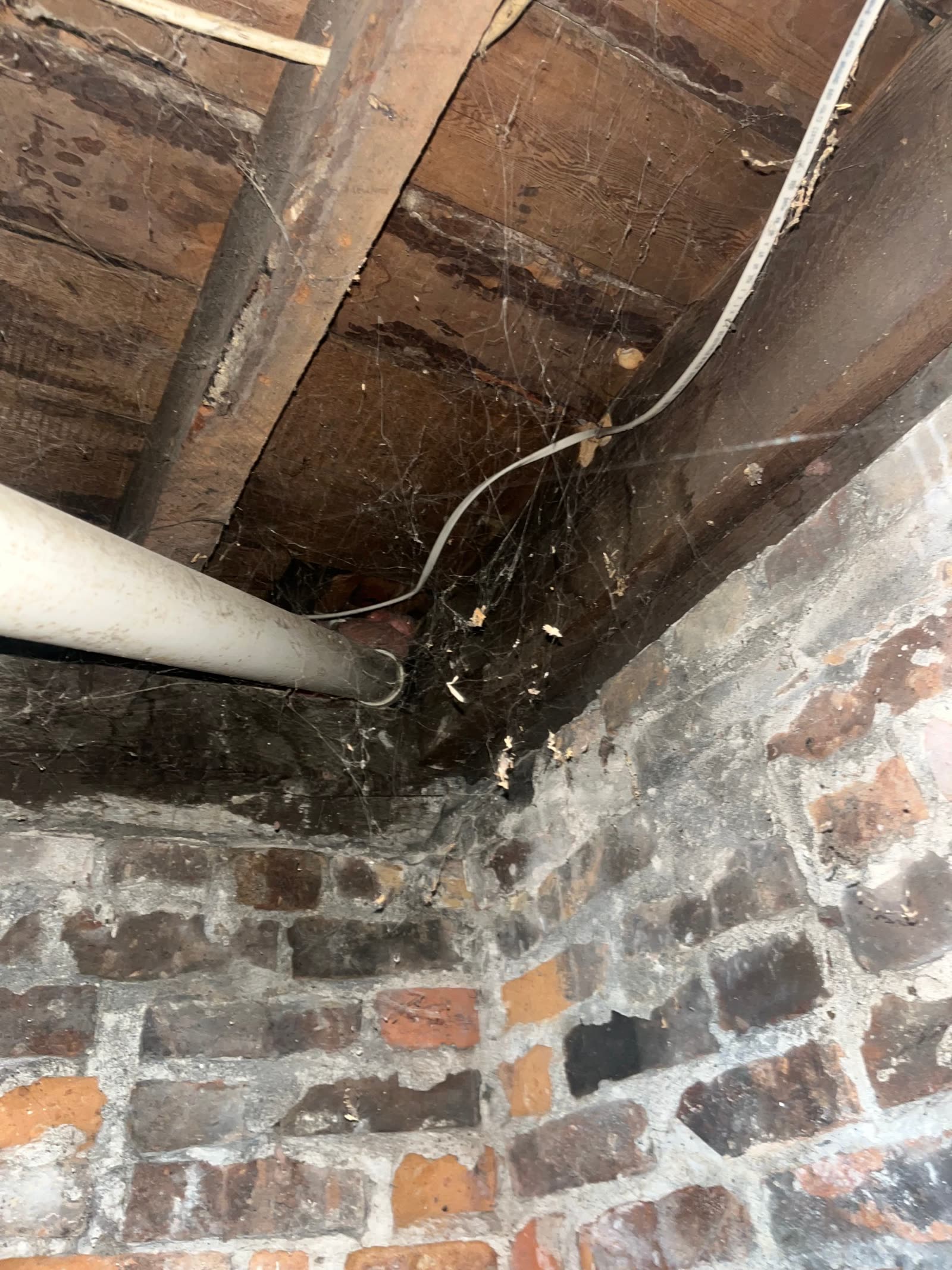
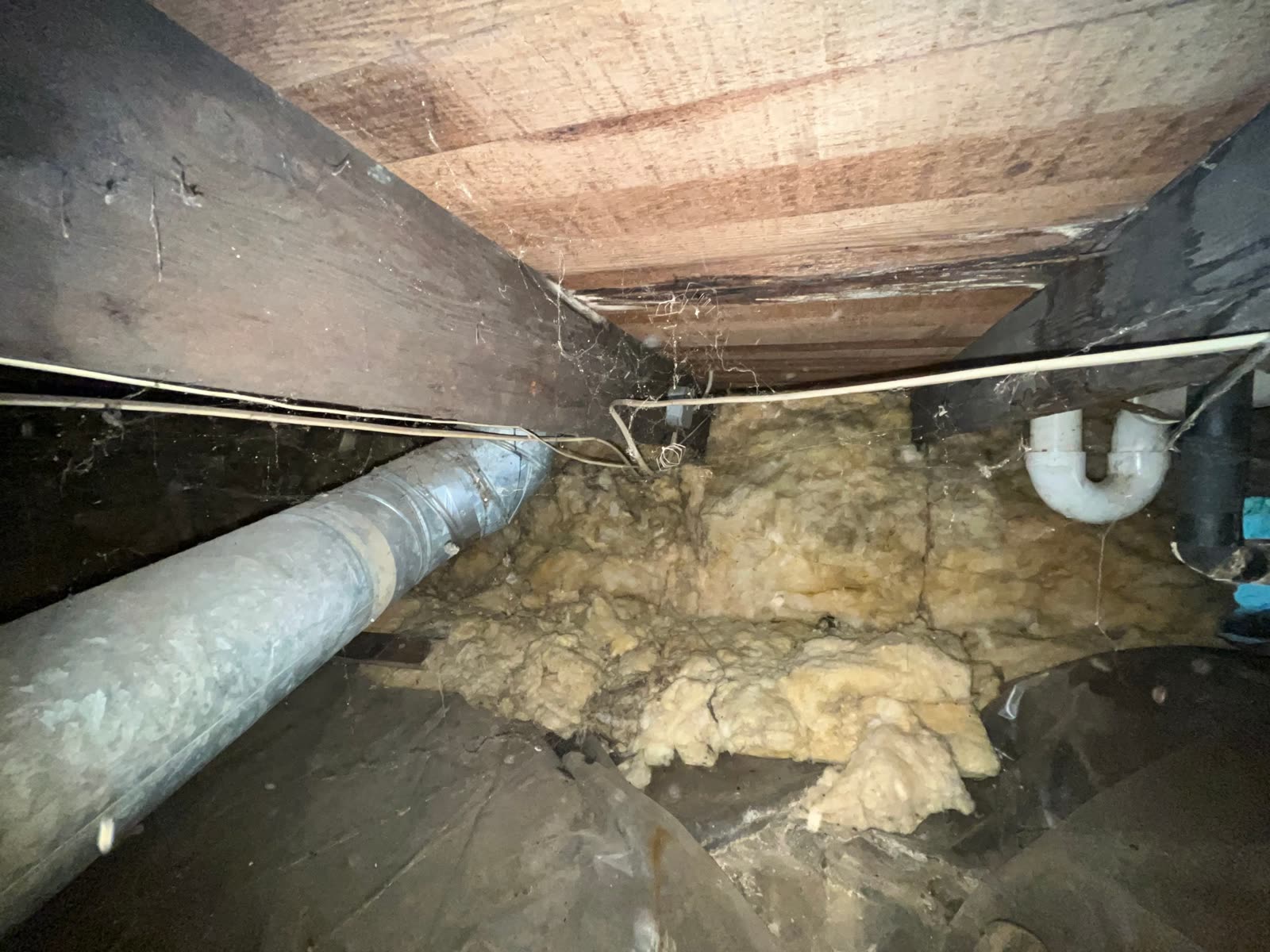
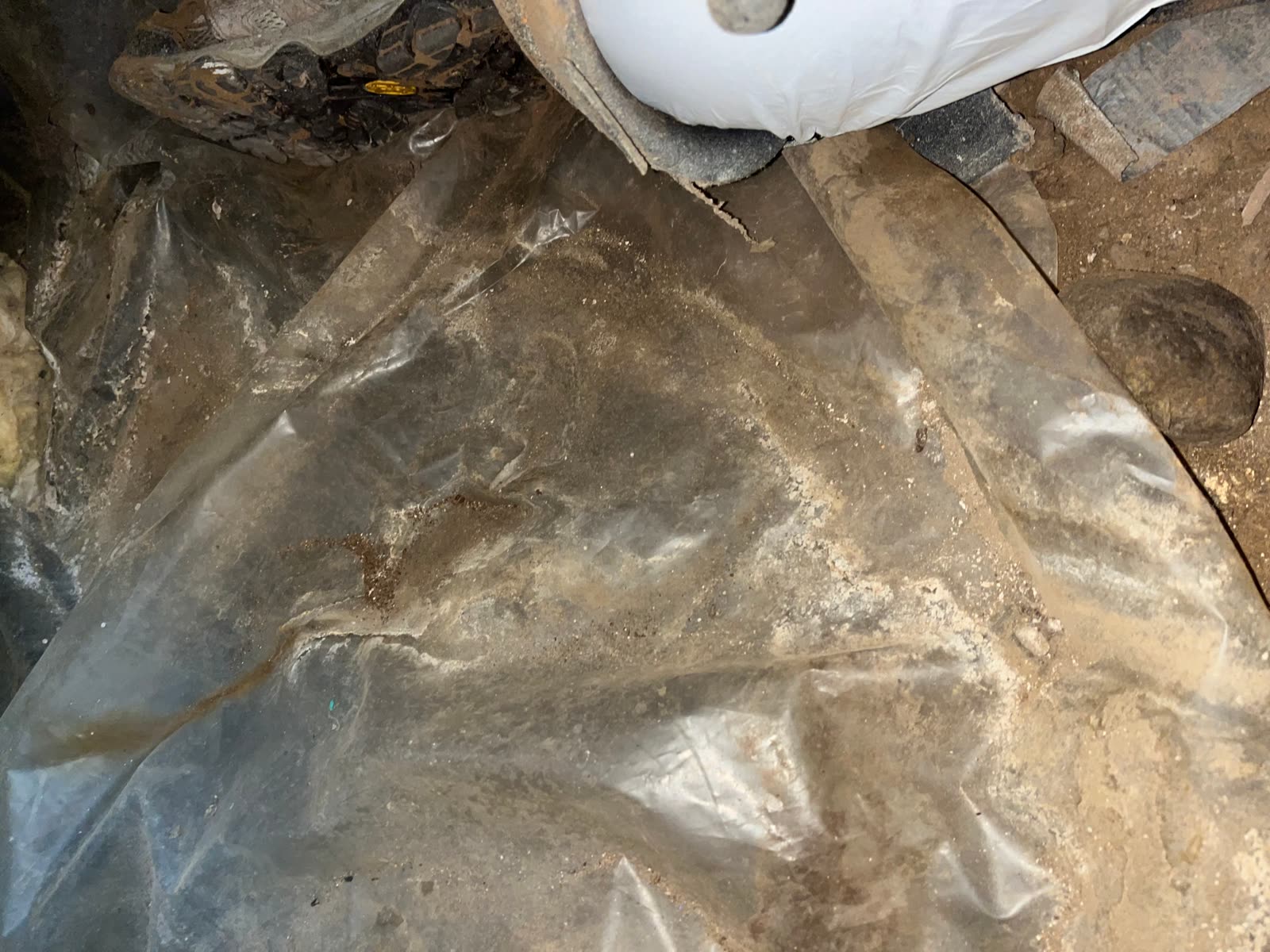
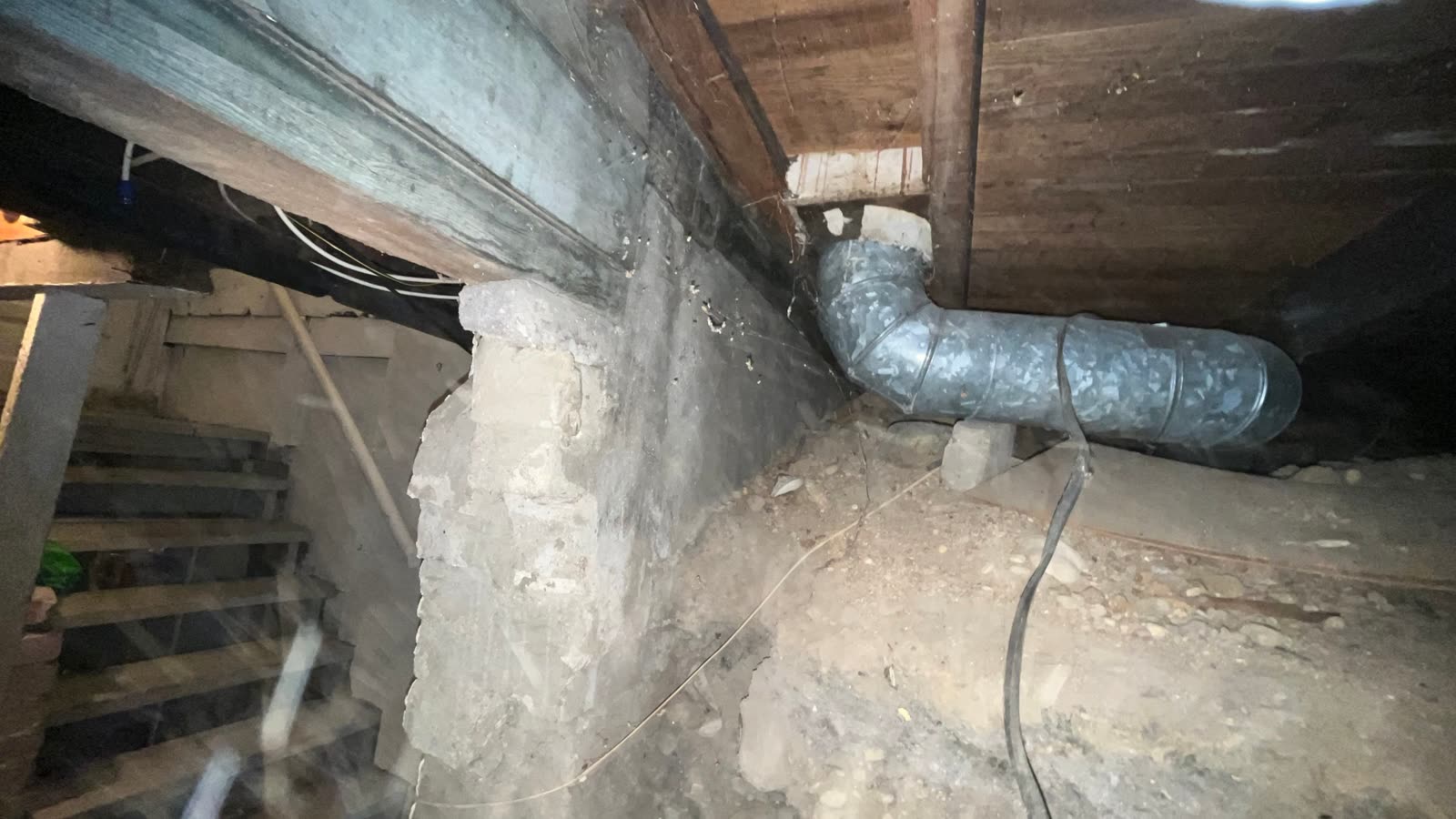
Most people never go down there, and honestly, that's understandable. Our team does it every week, so we know what's waiting. The photos below are from a real crawl space we worked in, cobwebs and all.
Quick look: Cobwebs, dark staining, sagging insulation, torn plastic over the dirt, and gaps along the foundation are the signs to watch for. Keep reading for what they mean and what fixes them.
What we found down there
Take a look at the photos and you'll spot a few things.
What to look for in these photos
- Webs and dark staining. Spiders like dark, damp spaces with plenty of bugs to eat, and stained wood usually means moisture has been hanging around.
- Sagging, stained insulation. Fiberglass that droops away from the floor above doesn't insulate, and it can hold moisture against the wood.
- Open gaps and a dirt floor. Gaps along the old brick foundation, torn plastic, and damp soil let in cold air, bugs, and mice.
Why critters move in this time of year
When Michigan nights start dropping, spiders, mice, ants, and stink bugs go looking for somewhere warm and sheltered. Your crawl space is often the easiest way in.
All they need is a gap at the rim joist, which is the band of wood that sits on top of your foundation wall.
It's not just about the creepy stuff
Warm air rises. In winter it leaks out of the upper parts of your house, and your house pulls replacement air in from the bottom. If your crawl space is damp, dusty, and full of cobwebs, some of that air ends up in your living room.
It also explains cold floors. Air coming through the rim joist and under-floor gaps chills the floor above, and your heating system works harder to make up for it.
What fixes it
The good news is that this is very fixable. A typical fix looks like this:
- Deal with moisture first. Fix any drainage or leak problems, then cover the dirt floor with a sealed vapor barrier.
- Remove insulation that is wet, matted, or falling down.
- Air seal and insulate the rim joist and foundation walls. Spray foam does both in one step, which is why we use it so often here.
Watch a crew spray foam a rim joist
Here is what the sealing step looks like on a real job.
To be straight with you, sealing a crawl space won't make every spider disappear. What it does is close the entry points, dry out the space, and take away the reasons for bugs and mice to stay. Many homeowners also notice warmer floors in winter.
A flashlight check before the first freeze
You don't have to crawl in to get a read on yours. Open the access hatch, wear a mask and gloves, and shine a flashlight around. Look for:
- Dark staining or white fuzzy growth on the wood
- Insulation that sags, has fallen, or looks stained
- Torn or missing plastic over the dirt
- Gaps, daylight, or holes along the top of the foundation wall
- A musty smell, droppings, or chewed material
If you see standing water, or anything you're not sure about, stay out and give us a call.
If any of this sounds familiar, we're happy to take a look. Call us at (248) 291-7815, send a message, or schedule an energy audit. We'll show you what's going on down there and what it would take to fix it.

Ecotelligent Homes
Since 2009, Ecotelligent Homes has completed more than 3,000 projects in Michigan. If you need help with new insulation, efficient HVAC, or abatement services, give us a call anytime: (248) 291-7815. Satisfaction guaranteed.
Got a project in mind?
Tell us about your project, and we'll send ballpark pricing in 2 minutes or less.