Fall Home Maintenance Checklist
It's been said that an ounce of prevention is worth a pound of cure. This weekend, take some time for fall home maintenance so you can skip costly repairs in the months ahead.
From checking your heating system to sealing up drafts in your attic or crawl space, this fall home maintenance checklist will help you tackle the basics and prepare for the months ahead.
Quick checklist: Swap your furnace filter, book a heating tune-up, program your thermostat, check for pests and moisture in the basement or crawl space, inspect your attic for leaks and animal activity, drain your water heater, seal and lock your windows and doors, and clean your gutters. Keep reading for the details on each.
Print your fall home maintenance checklist PDF, or read on for a detailed list of what to do inside and outside your home this fall.
If you live in the Detroit Metro area and want help with your home, please give us a call at (248) 291-7815 or send us a message anytime:
Since 2009, we’ve been helping homeowners in the Detroit Metro area with home energy audits, insulation, heat pumps, and more. More than 5,000 projects completed, all with a satisfaction guarantee.
Home Heating
Your heating system is about to become the MVP of your house. Before the first snowflakes fall, make sure it’s in good shape.

Swap out your air filter
This is an easy win. Changing your furnace or heat pump filter every 3 months will keep your system running smoothly. Most homes do well with a filter rated between MERV 8 and 11. If you’re not sure which one to use, contact Ecotelligent Homes, and we can recommend the best option based on your system and home size: (248) 291-7815
Schedule a maintenance appointment
Just like getting an oil change for your car, regular maintenance keeps your heating system performing its best. A pro can catch small issues before they turn into big, costly repairs. If you haven’t had your system serviced yet this year, now’s the time to book an appointment.
Program your thermostat
A smart thermostat is a must-have if you want to save on energy bills. Set it to lower the heat at night and when you’re away, and you can save up to $180 a year, according to ENERGY STAR. If you need help installing or setting up a programmable thermostat, our team is happy to assist.
Test your smoke and carbon monoxide detectors
Press the test button on each unit monthly, and put in fresh batteries once a year, fall is an easy time to remember. If a detector is more than 10 years old, replace the whole unit, not just the battery.
Consider a duct cleaning
This one’s optional, but if you’re noticing dust or have allergies, clean ducts can make a big difference. Clean ducts also improve efficiency, meaning your heating system won’t have to work as hard to keep you warm. Learn more about the importance of duct sealing for your home.
Basement / Crawlspace
Cooler weather means animals start looking for warm places to nest, and unfortunately, your basement or crawlspace might be on their list. Take a few minutes to check for any signs of unwanted visitors.
Check for pests
Look around your basement windows or crawlspace vents for holes, tears, or loose attachments. Small animals like mice can squeeze into a 1-inch hole, so if you spot any gaps, fill them temporarily with steel wool until you can get a professional to repair the framing or re-screen the vents.
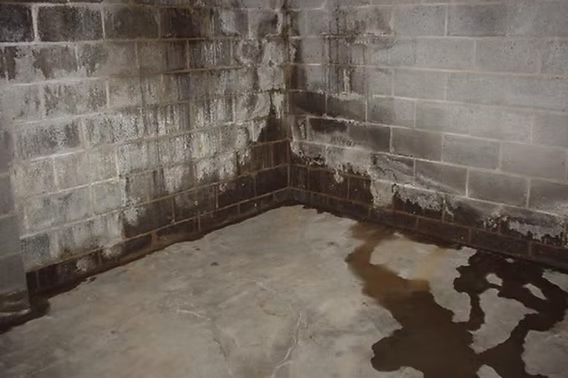
Inspect for moisture issues
Basements and crawl spaces are prone to moisture problems that can lead to mold, foundation damage, and poor air quality. Check the perimeter for standing water and consider installing a dehumidifier if humidity levels are high. Learn more about crawl space encapsulation. For more information on Michigan-specific basement tips, check out our article: What is a Michigan Basement?
Seal and insulate rim joists
If you have a basement, the rim joists are a major source of air leaks and drafts. Insulating and sealing the rim joists helps keep your basement comfortable and reduces heat loss. This is a project that can have a big impact on energy bills and overall comfort in Michigan homes.
Add insulation if needed
Proper insulation can keep your basement or crawlspace warmer and lower heating bills. Learn more about why we recommend spray foam for crawlspaces.
If you'd like to get pricing for a project, start by giving us a call at 248) 291-7815. You can also use our online pricing tool. Just tell us about your project, and we'll send a price estimate in two minutes or less.
Attic
Your attic is the first line of defense against Michigan's cold winters, and it's also a place where insulation and air sealing can make a big difference.
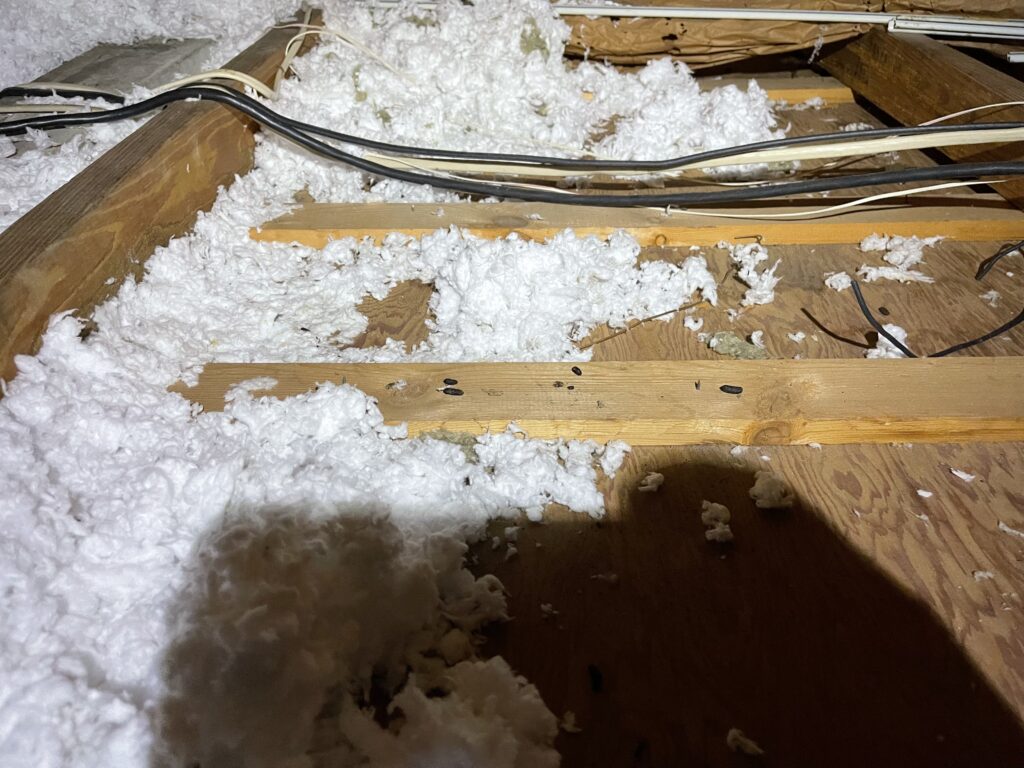
Look for signs of animal activity
Check for missing or torn insulation and inspect bird or rodent screens on attic vents. If you find chewed-up insulation or droppings, it's a sign you need to address the issue before it gets worse.
Check for leaks
During daylight hours, turn off the attic lights and look for any sunlight streaming in through the roof. This can indicate small holes or cracks that need sealing. For a more thorough guide, read "Don't Be Baffled by Baffles" to learn how to keep airflow balanced in your attic.
Clear debris from vents
Make sure ridge vents and vents at the eaves are free of debris or plants. Blocked vents can lead to moisture buildup, which might cause mold or ice dams. If you're dealing with uneven snow melt on your roof, check out our guide on preventing ice dams.
Check your insulation depth
If you can see the tops of your attic floor joists poking through the insulation, you likely don't have enough See our R-value chart for Michigan climate zones for the target.
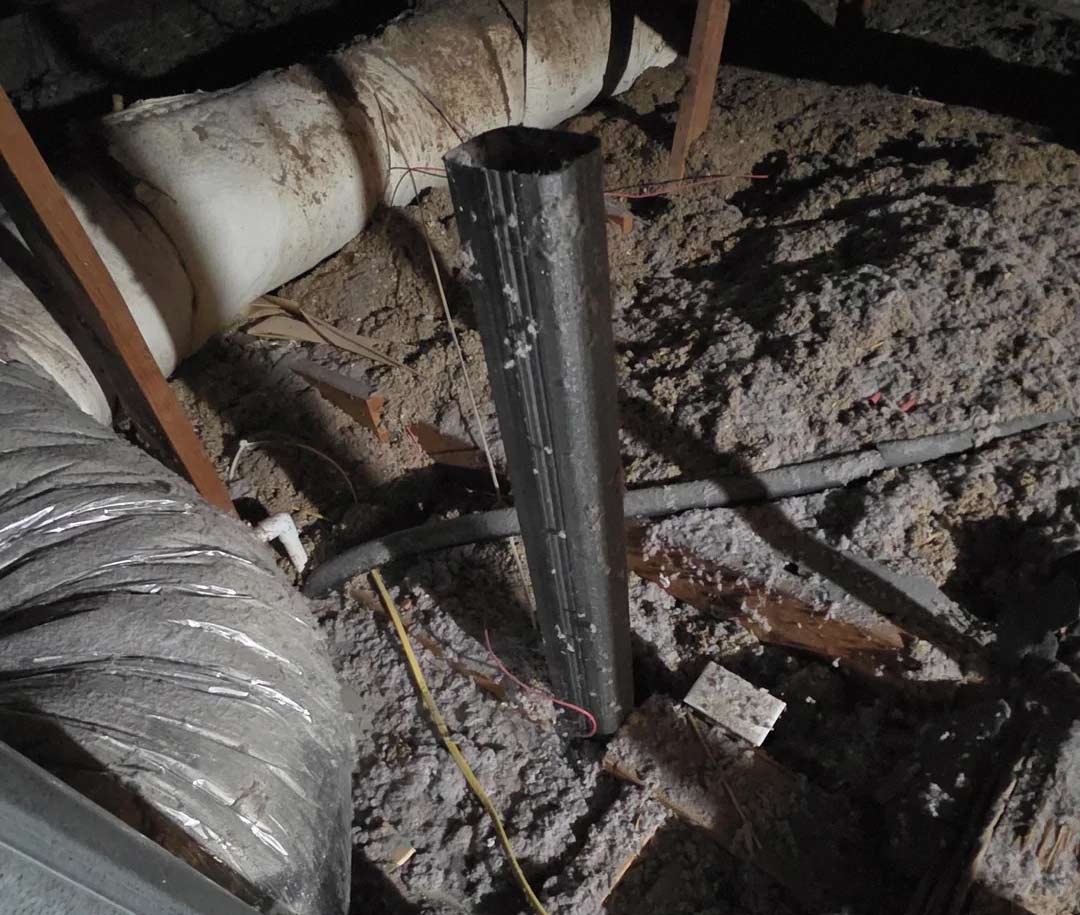
Check your dryer vent and bathroom fans
A clogged dryer vent is a fire hazard and makes your dryer work harder, and bathroom fans that vent into the attic instead of outside add moisture that can lead to mold. While you're up there, make sure both exhaust all the way outside.
Plumbing
The last thing you want during winter is a burst pipe or a water heater failure. Here are a few steps to make sure your plumbing is winter-ready.
Drain your water heater
Sediment can build up at the bottom of your water heater over time, reducing its efficiency and potentially causing leaks. Drain the tank once a year to flush out sediment and extend the lifespan of your water heater.
Check for leaks and corrosion
Look for signs of leaks around exposed pipes, especially in basements. Green or rust-colored stains around copper or brass pipes are a sign of corrosion that should be addressed. This can lead to leaks or poor connections if left unchecked.
Insulate pipes in unheated areas
If you have pipes running through an unheated basement, garage, or crawlspace, wrap them with insulation to prevent freezing and bursting. This small investment can save a lot of headache, and water damage, during freezing weather.
Shut off and drain exterior faucets
Disconnect garden hoses and drain water from outdoor faucets to prevent freezing. If possible, turn off the shutoff valve inside your home and open the exterior faucet to drain any remaining water. This prevents ice buildup that could crack pipes.
Exterior
Winter can be tough on your home’s exterior, so a little maintenance now can prevent damage down the road.

Inspect your siding
Look for peeling paint, cracks in stucco, or missing mortar in brickwork. Any damage can let moisture in, which leads to bigger problems as temperatures drop. A quick repair or touch-up can go a long way.
Check the foundation
Walk around your home's exterior and look for cracks or bulges in the foundation. If you notice any, it might be time to schedule a professional assessment. Cracks can lead to water infiltration and structural damage.
Inspect your roof for damage
Look for missing shingles, broken tiles, or other damage that could let water in during a winter storm. If you're not comfortable climbing a ladder, a pair of binoculars can help spot problems from the ground.
Lock your windows and doors
Cold air loves to sneak in through gaps around windows and doors. As Amanda puts it: "Don't just close your windows, lock them so that they seal nice and tight." Locking the sash pulls it tight against the weatherstripping, which is what actually makes the seal work, closing alone can leave a gap.
If you still feel a draft after locking up, it's time to replace weatherstripping or apply caulk around loose frames. Consider reading our article on how air sealing and insulation work together to reduce drafts and improve comfort.
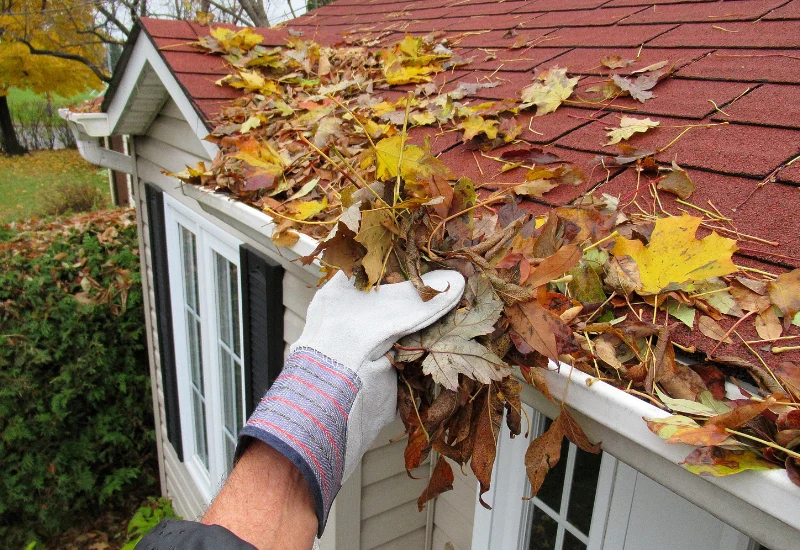
Clean your gutters and downspouts
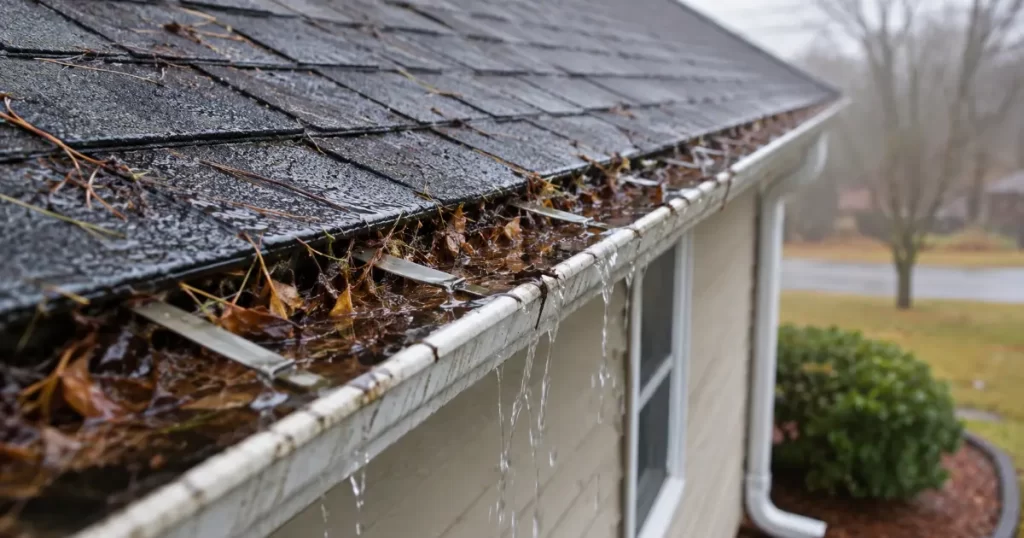
Clogged gutters can cause water to back up and damage your roof, siding, and foundation. Clean them out regularly in the fall to ensure water drains away from your home. Make sure downspouts direct water at least 10 feet away from your home's foundation, pooling water around the foundation can cause basement flooding and structural damage.
Watch for sagging gutters or loose brackets, which can let water drip down the sides of your home and damage your siding; tighten loose brackets and consider a replacement if your gutters are older or damaged.
Common questions
How often should I change my furnace filter?
Every 3 months. Most homes do well with a filter rated between MERV 8 and 11, contact Ecotelligent Homes if you're not sure which one fits your system and home size.
Do I still need to seal my windows if I lock them?
Locking your windows is the first step, it pulls the sash tight against the weatherstripping, which is what actually creates the seal. If you still feel a draft after locking up, it's time to replace weatherstripping or apply caulk around loose frames.
What temperature should I set my thermostat to in the fall?
Setting your thermostat lower at night and when you're away can save meaningfully on energy bills over a year, according to ENERGY STAR.
How much attic insulation do I need in Michigan?
Most Michigan attics need significantly more insulation than they were originally built with. A quick way to check: if you can see the attic floor joists over the insulation, you likely don't have enough.
Why should I drain my water heater before winter?
Sediment builds up at the bottom of your water heater over time, reducing efficiency and potentially causing leaks. Draining the tank once a year flushes out that sediment and extends the water heater's lifespan.
What's the difference between air sealing and insulation?
Air sealing closes the gaps and cracks that let outside air leak in, while insulation slows the transfer of heat through your walls, attic, and floors. They work together, insulation without air sealing performs far below its rated potential.
Fall Home Maintenance: Bringing It All Together
Taking care of your home this fall doesn’t have to be overwhelming.
Print out a copy of our fall home maintenance checklist PDF, then go down the list to keep your house safe, comfortable, and energy-efficient all winter long.
If you want help with your home, we’re here to support you. From home energy audits to air sealing and insulation upgrades, we’ll help you get your home ready for the season.

Ecotelligent Homes
Since 2009, Ecotelligent Homes has completed more than 3,000 projects in Michigan. If you need help with new insulation, efficient HVAC, or abatement services, give us a call anytime: (248) 291-7815. Satisfaction guaranteed.
Got a project in mind?
Tell us about your project, and we'll send ballpark pricing in 2 minutes or less.