Attic insulation cost per square foot in Michigan 2026: Compare R-values and materials

For most Michigan homeowners, attic insulation is the single most cost-effective upgrade for improving comfort and lowering energy bills. It's also one of the easiest ways to fix cold rooms in the winter and hot upstairs bedrooms in summer.
But how much does attic insulation actually cost in Michigan? And how do different materials compare when it comes to R-value and long-term performance?
Let’s break it down.
This guide gives realistic Michigan pricing, explains R-values in plain English, and shows which materials actually make sense for our climate and housing stock. For a home-specific estimate with rebates and financing options in Southeast Michigan, give us a call at (248) 291-7815 or send us a message.
Since 2009, Ecotelligent Homes has completed over 6,000 energy audits and 3,000 projects for homeowners across the Metro Detroit area. Price match and satisfaction guaranteed.
Table of contents
- Average attic insulation cost per square foot in Michigan
- Cost breakdown by project size
- What affects attic insulation cost?
- Understanding R values for Michigan homes
- R value by insulation material
- Best attic insulation materials for Michigan
- DIY vs professional attic insulation
- How to lower your attic insulation cost
- Why choose Ecotelligent Homes?
Average attic insulation cost per square foot in Michigan
In Michigan, attic insulation typically costs between $1.50 and $6.00 per square foot, depending on the material, access, and how much insulation is needed to reach recommended R-values.
Here are typical ranges we see for professional installation:
| Insulation type | Typical cost per sq ft |
|---|---|
| Loose-fill cellulose | $1.50 – $3.50 |
| Fiberglass (blown or batts) | $1.50 – $3.50 |
| Closed-cell spray foam | $4.00 – $8.00+ |
These are real-world Michigan numbers, not national averages. They assume enough thickness to meet ENERGY STAR recommendations for our climate.
Cost breakdown by project size
| Attic size | Typical total cost |
|---|---|
| 1,000 sq ft | $2,000 – $4,000 |
| 1,500 sq ft | $3,000 – $6,000 |
| 2,000 sq ft | $4,000 – $8,000 |
Costs trend higher if old insulation needs to be removed or if significant air sealing is required.
What affects attic insulation cost?
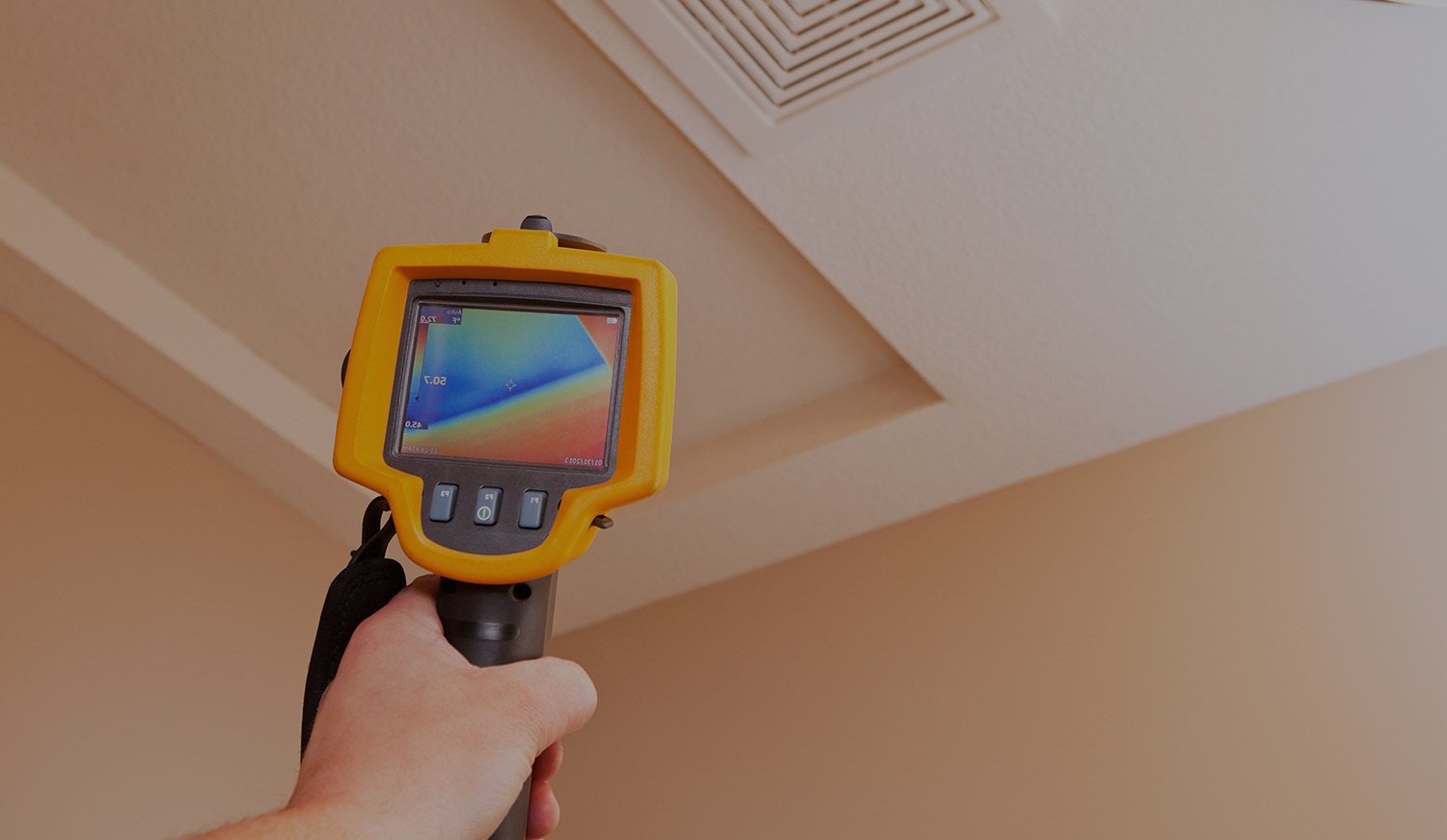
Current insulation levels
Homes with little or no insulation cost more because more material is required.
Air sealing needs
Gaps around attic hatches, wiring, plumbing, and chimneys should be sealed before adding insulation. This adds labor but improves performance dramatically. We install to ENERGY STAR® standards, so air sealing is always completed prior to adding insulation.
Attic accessibility
Low-clearance or cluttered attics take longer and increase labor costs.
Material choice
Spray foam costs more upfront but provides air sealing. Cellulose and fiberglass cost less and deliver strong value.
Understanding R-values for Michigan homes

“In most Michigan homes we audit, the attic insulation is nowhere near where it should be. People think they have ‘a lot’ because they see some insulation up there, but it’s usually closer to R-15 or R-20. You can feel the difference almost immediately once you get up to R-60.”
– Amanda Godward, Owner, Ecotelligent Homes
R-value measures how well insulation resists heat flow. Higher R-value = better insulation.
Michigan falls in Climate Zone 5, and for Southeast Michigan the ENERGY STAR target for attic insulation is R-60. That’s what we aim for on most attic insulation projects.
In practical terms, R-60 usually means seeing a consistent layer of insulation that’s about 16–18 inches deep, depending on the material.
Most older Michigan homes start far below that - often around R-10 to R-20, which is common in houses built before the 1980s.
If your attic insulation is below R-38, you are almost certainly losing money every winter. If it’s below R-49, there is still significant room for improvement in both comfort and energy savings.
R-value by insulation material
| Material | R-value per inch |
|---|---|
| Loose-fill cellulose | ~3.6 – 3.8 |
| Fiberglass | ~2.5 – 3.2 |
| Open-cell spray foam | ~3.5 – 3.8 |
| Closed-cell spray foam | ~6.0 – 7.0 |
Spray foam has the highest R-value per inch, but that does not automatically make it the best choice for every attic.
In most Michigan homes, space on the attic floor is not the limiting factor, so you can usually reach R-60 with cellulose at a lower cost. Higher R-value per inch matters most in tight or finished spaces, like roof decks or attic slopes, where depth is limited.
Best attic insulation materials for Michigan
“Cellulose just works better in real houses. Michigan homes are full of weird framing, air leaks, and old construction details. Cellulose fills all of that in a way fiberglass just doesn’t. Plus its made from recycled materials!”
– Amanda
Cellulose - a strong fit for most Michigan homes
For most Michigan homes, loose-fill cellulose provides an excellent balance of performance, cost, and long-term comfort.
Why we recommend it:
- Fills gaps and irregular framing better than fiberglass
- Strong thermal performance
- Works well in older homes
- Cost-effective
- Made from recycled materials
It's ideal for open attic floors where adding depth is easy.
Spray foam - best when air sealing is critical
Spray foam is an excellent choice when you want to convert an attic into a livable space or make better use of the space you already have.
We typically install closed-cell spray foam on the underside of the roof deck or along attic slopes, which moves the thermal boundary from the attic floor up to the roof. This frees up the attic floor for storage or living space, while keeping the entire area inside the insulated envelope of the home.
Spray foam works well in these situations because it offers:
- The highest insulation value per inch
- Built-in air sealing
- Strong moisture protection
If you only have four or five inches of space on the underside of your roof, spray foam often makes the most sense. You simply can’t achieve high R-values with other materials in that amount of depth.
Fiberglass - common, but not our go-to
Fiberglass is very common attic insulation in the U.S., and it can work reasonably well in controlled conditions. But in real Michigan homes - especially older ones - it tends to underperform because it does not air seal, loses effectiveness when compressed, and is highly sensitive to installation quality.
That’s why at Ecotelligent Homes we generally recommend loose-fill cellulose for attic floors and closed-cell spray foam for roof decks and complex assemblies. They deliver more consistent comfort and better long-term performance in our climate.
DIY vs professional attic insulation
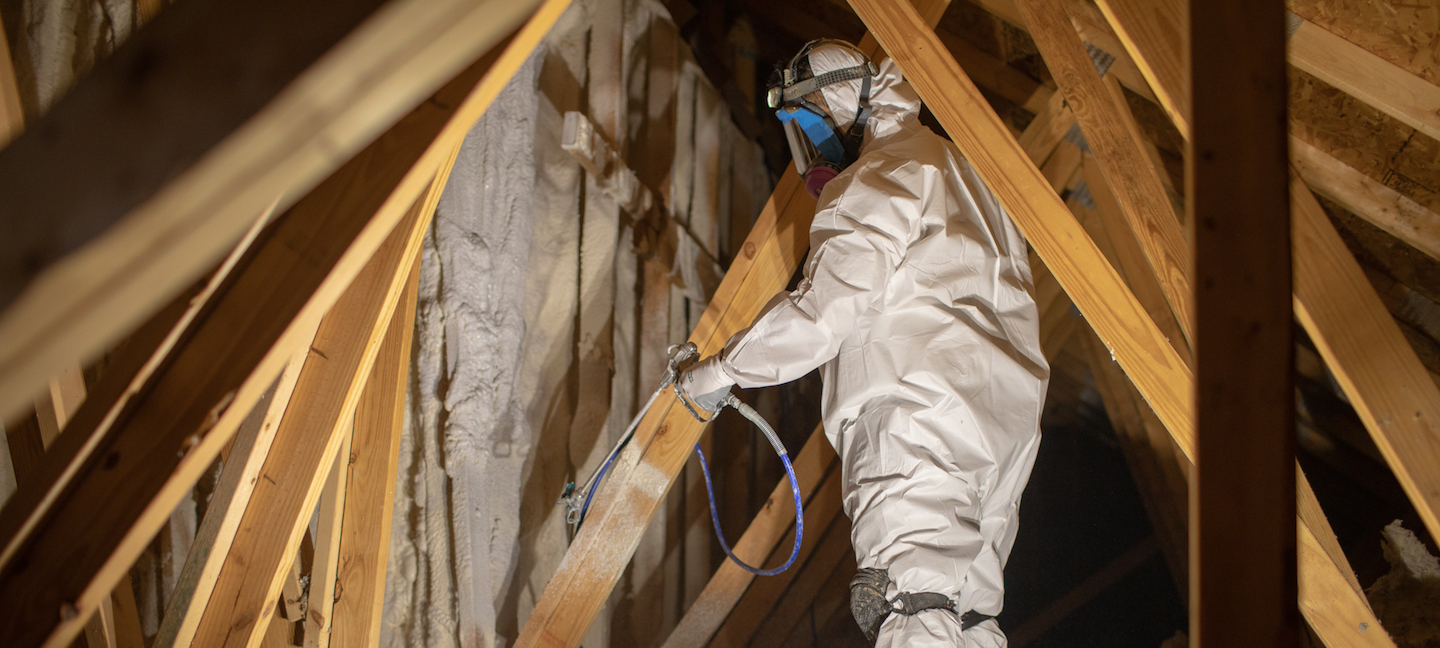
DIY blown insulation kits usually cost $1.00 – $2.00 per square foot in materials.
But common problems include:
- Missing air sealing
- Uneven coverage
- Not reaching real R-values
- Blocking attic ventilation
One of the easiest mistakes to make is accidentally reducing or blocking attic ventilation. Without proper airflow, moisture can build up in the attic, which increases the risk of mold and mildew over time. That moisture can damage your roof and framing - and in some cases affect indoor air quality.
Professional installation helps ensure:
- Correct R-value
- Proper air sealing
- Ventilation remains functional
- Moisture is managed correctly
- Rebates apply
How to lower your attic insulation cost
Start with an energy audit
A blower door test will show exactly where your house is leaking and how much insulation you actually need.
Use rebates and tax credits
DTE, Consumers Energy, and federal programs offer incentives for qualifying insulation projects.
Bundle services
You’ll get even better comfort and lower energy bills by air sealing and insulating other areas of your home at the same time - especially your crawl space, basement, and walls.
Why choose Ecotelligent Homes?
Ecotelligent Homes has specialized in Michigan insulation upgrades since 2009. We focus on building science, not sales scripts.
You get:
- Honest pricing and price match guarantee
- BPI-certified audits
- Real recommendations based on your home
- Experience with older Michigan houses
- Help securing rebates and financing
If you want a more comfortable home and lower energy bills, attic insulation is usually the best place to start.
Give us a call at (248) 291-7815. We will show you what makes sense for your house, not just what is easiest to sell.

Ecotelligent Homes
Since 2009, Ecotelligent Homes has completed more than 3,000 projects in Michigan. If you need help with new insulation, efficient HVAC, or abatement services, give us a call anytime: (248) 291-7815. Satisfaction guaranteed.
Got a project in mind?
Tell us about your project, and we'll send ballpark pricing in 2 minutes or less.