R-value chart for Michigan homes: what you actually need in climate zones 5 and 6
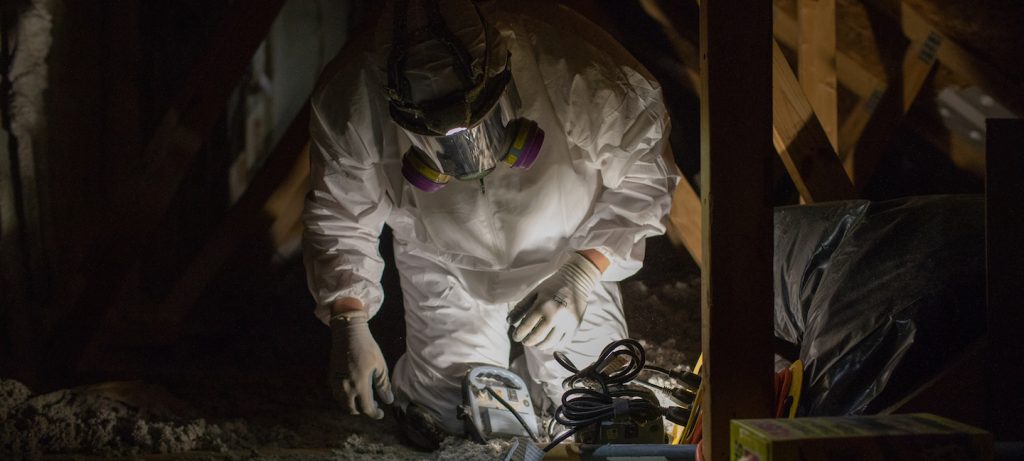
After 3,000+ insulation projects in Michigan homes, we can tell you one thing with confidence: the number on paper and the number in your house are rarely the same. This article covers what most homes in our area actually need, but if you want to know where your home stands, that takes a closer look.
Table of contents
What R-value means and why it matters
R-value measures how well insulation resists heat flow. The higher the number, the more it slows heat from escaping in winter or entering in summer.
In a cold climate like Michigan's, R-value is the number that determines whether your heating system is working overtime or running efficiently. It's the difference between a house that holds heat and one that hemorrhages it through the attic.
One thing worth knowing: R-value tells you about the material itself, but not about your home. A house with R-38 insulation installed over gaps and bypasses performs much worse than one where those gaps are sealed first. The number matters, and so does how it's installed.
Michigan climate zones: CZ5 and CZ6
The U.S. Department of Energy divides the country into climate zones based on heating and cooling demands. Michigan sits in zones 5 and 6, depending on where you are.
Climate Zone 5 covers most of Southern Michigan, including the Detroit Metro area, Ann Arbor, and communities south of roughly Flint. This is the zone that applies to most Ecotelligent customers.
Climate Zone 6 covers Northern Michigan and the Upper Peninsula. Colder winters, higher insulation targets.
If you're in the Detroit suburbs, Farmington Hills, Royal Oak, or Ann Arbor, you're in Zone 5. That's the benchmark we'll focus on here, with Zone 6 numbers included for reference.
R-value recommendations by location in your home
These are the DOE recommended R-values for retrofit work (upgrading an existing home, not new construction). Minimum code values are lower, but meeting the minimum is not the same as insulating your home well.
| Location | Climate Zone 5 (Detroit Metro, Ann Arbor) | Climate Zone 6 (Northern MI) |
|---|---|---|
| Attic (unfinished, blown-in or batts) | R-49 to R-60 | R-60 |
| Cathedral ceiling / vaulted roof | R-38 to R-49 | R-49 |
| Exterior walls (existing) | R-13 to R-15 per cavity | R-13 to R-21 per cavity |
| Floor over unconditioned space (basement/crawl) | R-25 to R-30 | R-30 |
| Basement wall (interior) | R-15 to R-19 | R-15 to R-19 |
| Crawlspace walls (conditioned crawl) | R-15 | R-15 |
| Rim joists | R-15 to R-25 (spray foam preferred) | R-25 |
Source: U.S. Department of Energy recommendations for existing home retrofits. Local building code minimums may differ.
A note on attic insulation: R-49 is roughly 14 to 16 inches of blown cellulose or fiberglass. Most Michigan homes built before 1990 have 3 to 6 inches, somewhere between R-11 and R-19. The gap is significant.
R-value by insulation material
Different insulation materials reach different R-values per inch of thickness. That matters when you're working within existing wall cavities or limited attic space.
| Material | R-Value per Inch | Typical Application |
|---|---|---|
| Open-cell spray foam | R-3.5 to R-3.8 | Attics (air seal + insulate), wall cavities |
| Closed-cell spray foam | R-6.0 to R-7.0 | Rim joists, basement walls, tight spaces |
| Blown cellulose | R-3.2 to R-3.7 | Attics, wall cavities (retrofit blown-in) |
| Blown fiberglass | R-2.2 to R-2.7 | Attics (most common in existing homes) |
| Fiberglass batts | R-2.9 to R-3.8 | Wall cavities, attic floors |
| Rigid foam board | R-3.8 to R-6.5 | Basement walls, crawlspace, rim joists |
What this means for your attic: To hit R-49 in an existing Michigan attic, you'd need roughly 19 inches of blown fiberglass, or about 14 inches of cellulose. Closed-cell spray foam is typically used for rim joists and tight spaces where you need a high R-value per inch, not for blanketing an attic floor.
Got a project in mind?
Tell us about your project, and we'll send ballpark pricing in 2 minutes or less.

What most Michigan homes actually have
Here's the honest version of what we find in older homes across the Detroit Metro and Ann Arbor areas.

“"The number I hear most often from homeowners is R-19. They think they're in pretty good shape. Then we get up in the attic and it's 4 inches of fiberglass that's been there since the 80s. Once you see what R-49 actually looks like, it changes how you read your heating bill."
”
– Amanda Godward, Owner, Ecotelligent Homes
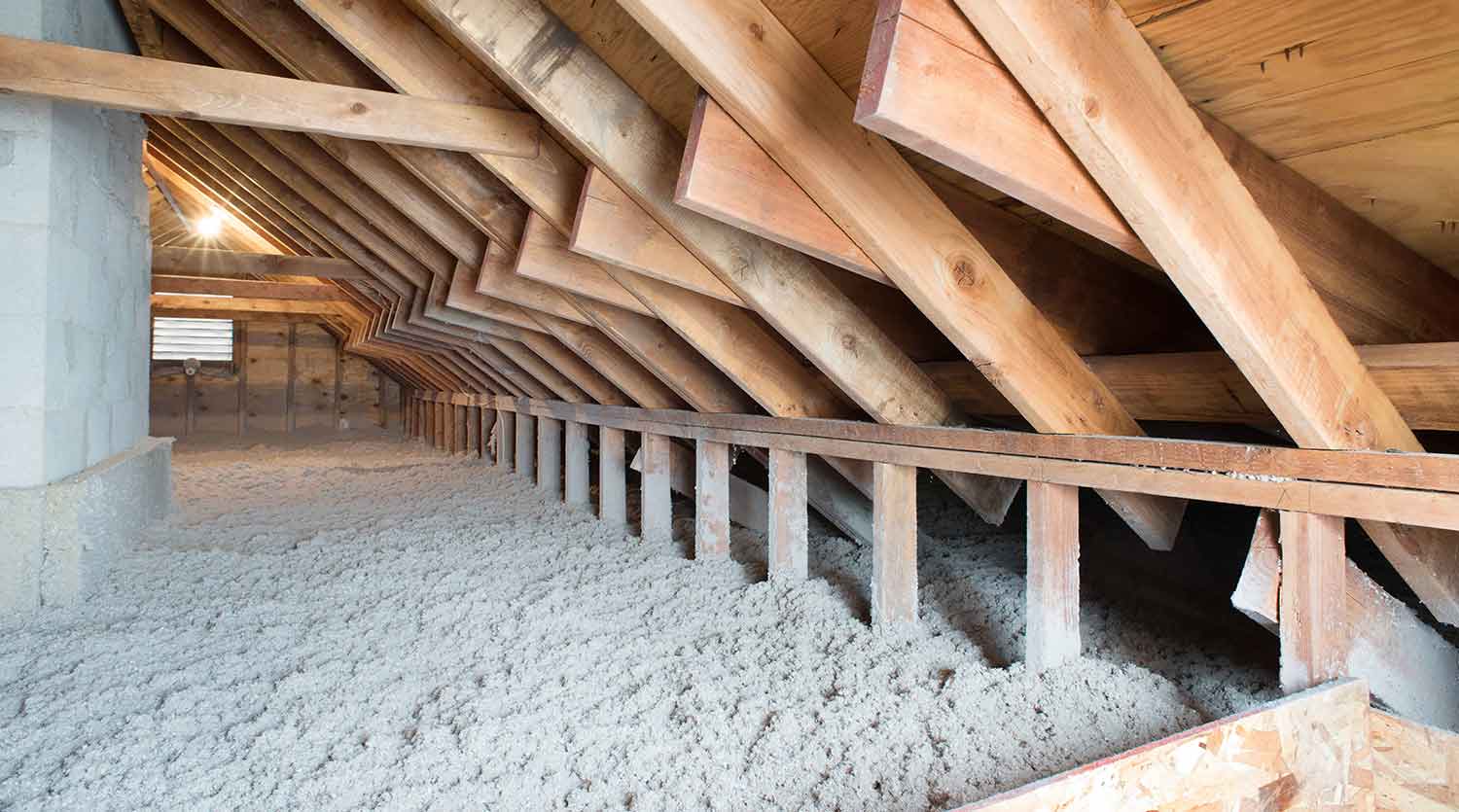
Attics Insulation
That’s why Ecotelligent Homes takes a whole-home building-science approach instead of simply picking the highest NRC number.
Below is what we recommend based on Michigan climate, home age, and construction, not just lab-measured sound ratings.
Rim joist insulation
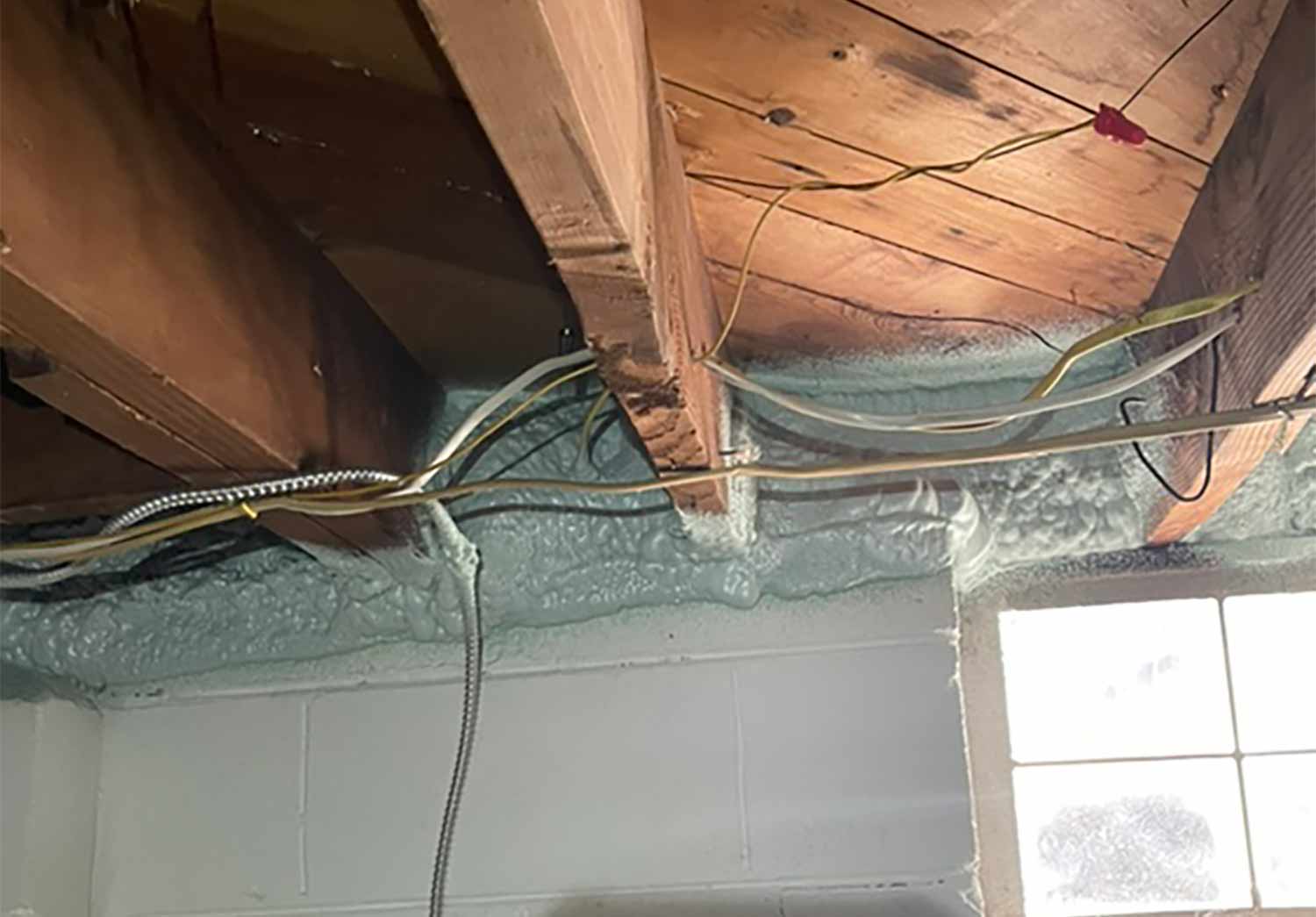
Usually uninsulated, or stuffed with cut fiberglass batts that don't seal air. This is one of the highest-impact upgrades in a Michigan home and one of the most underestimated.
Wall insulation
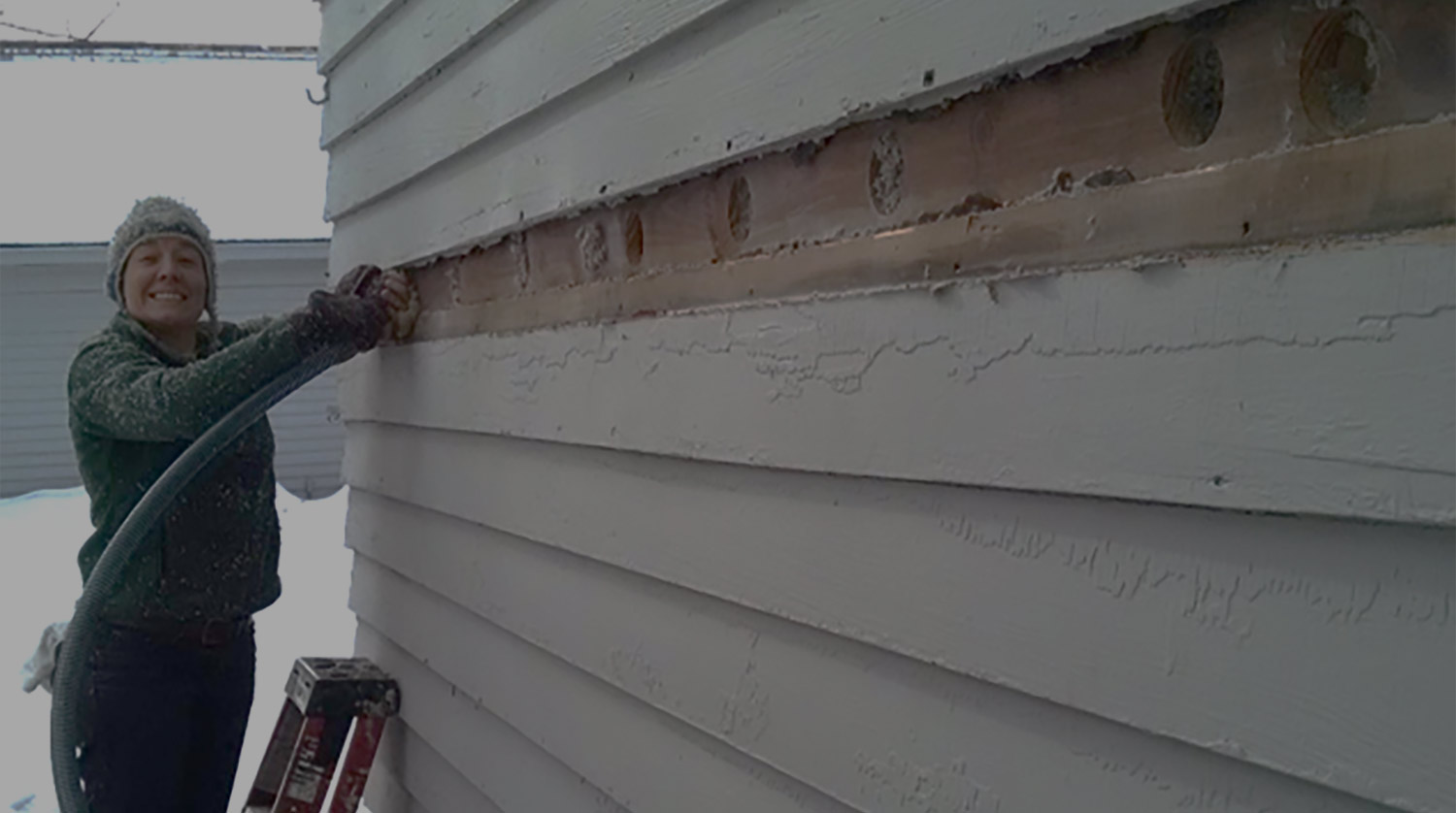
Exterior walls in homes built before 1980 often have no insulation at all, or thin batts installed without any air sealing. Wall work is more involved than attic work, and the right approach depends on the wall assembly.
Crawlspaces
Highly variable. Some have fiberglass batts stapled to the floor joists above (which mostly falls down over time). Others have nothing. Conditioned crawlspaces with spray foam on the walls are far more effective.
The pattern we see most often: an attic with some insulation but significant air bypasses. Penetrations around light fixtures, plumbing chases, and attic hatches let warm air flow freely into the attic regardless of how much insulation is on the floor.

How to find out what your home needs
An R-value chart tells you the target. A home energy audit tells you where you stand and what to do about it.
During an audit, we measure your home's air leakage rate with a blower door test, identify where heat is escaping with thermal imaging, and check your actual insulation levels across the attic, basement, and walls. You get a prioritized list of improvements, ranked by impact, not just by cost.
Most Michigan homeowners are eligible for insulation rebates through DTE Energy or Consumers Energy. We help you identify which rebates apply and handle the paperwork.

FAQ
What climate zone is Michigan for insulation?
Most of Southern Michigan, including the Detroit Metro area, Ann Arbor, Flint, and Lansing, falls in Climate Zone 5. Northern Michigan and the Upper Peninsula are in Climate Zone 6, which has slightly higher insulation recommendations. If you're in the suburbs of Detroit or Ann Arbor, you're almost certainly in Zone 5.
What R-value do I need for my attic in Michigan? Fiberglass batts
The DOE recommends R-49 to R-60 for attics in Michigan's Climate Zone 5. Most older homes have significantly less than that, often R-11 to R-19. Adding blown cellulose or fiberglass to reach R-49 is one of the most cost-effective upgrades available, especially when combined with air sealing.
Is R-30 enough for a Michigan attic?
No. R-30 is below the recommended level for Climate Zone 5. The DOE recommends R-49 to R-60 for retrofit attic insulation in Michigan. R-30 may have been the standard decades ago, but heating costs and energy standards have both changed significantly.
What's the best insulation for a Michigan attic?
For most existing Michigan homes, blown cellulose or blown fiberglass is the right choice for the attic floor. Cellulose settles slightly less and tends to perform better in Michigan's cold winters. If there are significant air bypasses (around plumbing, wiring, or light fixtures), those should be sealed before adding insulation. Otherwise the insulation can't do its job. We cover the options in more detail in our attic insulation guide (/insulation/attic-insulation/).
How thick does attic insulation need to be in Michigan?
To reach R-49 in a Michigan attic:
- Blown fiberglass: approximately 16 to 19 inches
- Blown cellulose: approximately 13 to 15 inches
- Spray foam: not typically used for attic floors (cost-prohibitive at that volume)
Existing insulation counts toward your total. So if you have 4 inches of old fiberglass (roughly R-11), you'd add about 12 to 15 inches of blown cellulose on top to reach R-49.
Do Michigan insulation rebates cover the full project?
No, but they can cover a meaningful portion. DTE Energy offers rebates for qualifying attic and wall insulation projects. Consumers Energy also offers rebates for insulation, and additional incentives are available if you complete an energy audit first. The exact amount depends on your utility, the scope of work, and your home's current insulation levels. We walk through rebate eligibility during the audit process. See our Michigan insulation rebates page for current amounts.

Ecotelligent Homes
Since 2009, Ecotelligent Homes has completed more than 3,000 projects in Michigan. If you need help with new insulation, efficient HVAC, or abatement services, give us a call anytime: (248) 291-7815. Satisfaction guaranteed.
Got a project in mind?
Tell us about your project, and we'll send ballpark pricing in 2 minutes or less.